
Author: Nodar, Car Select expert · May 6, 2026 · 5 min read
Paint-thickness gauges: what the device shows and how to read the results
In short
On most mass-market brands factory paint measures 100–160 µm, and a 20–30 µm spread between panels is normal. Readings of 200–250 µm and above almost always mean filler and a respray. That is not necessarily a serious crash, but it belongs in the price.
A paint gauge is the fastest way to find out whether a car has been in an accident, even on a perfectly polished body. Its readings can't be argued with, but you need to know how to interpret them.
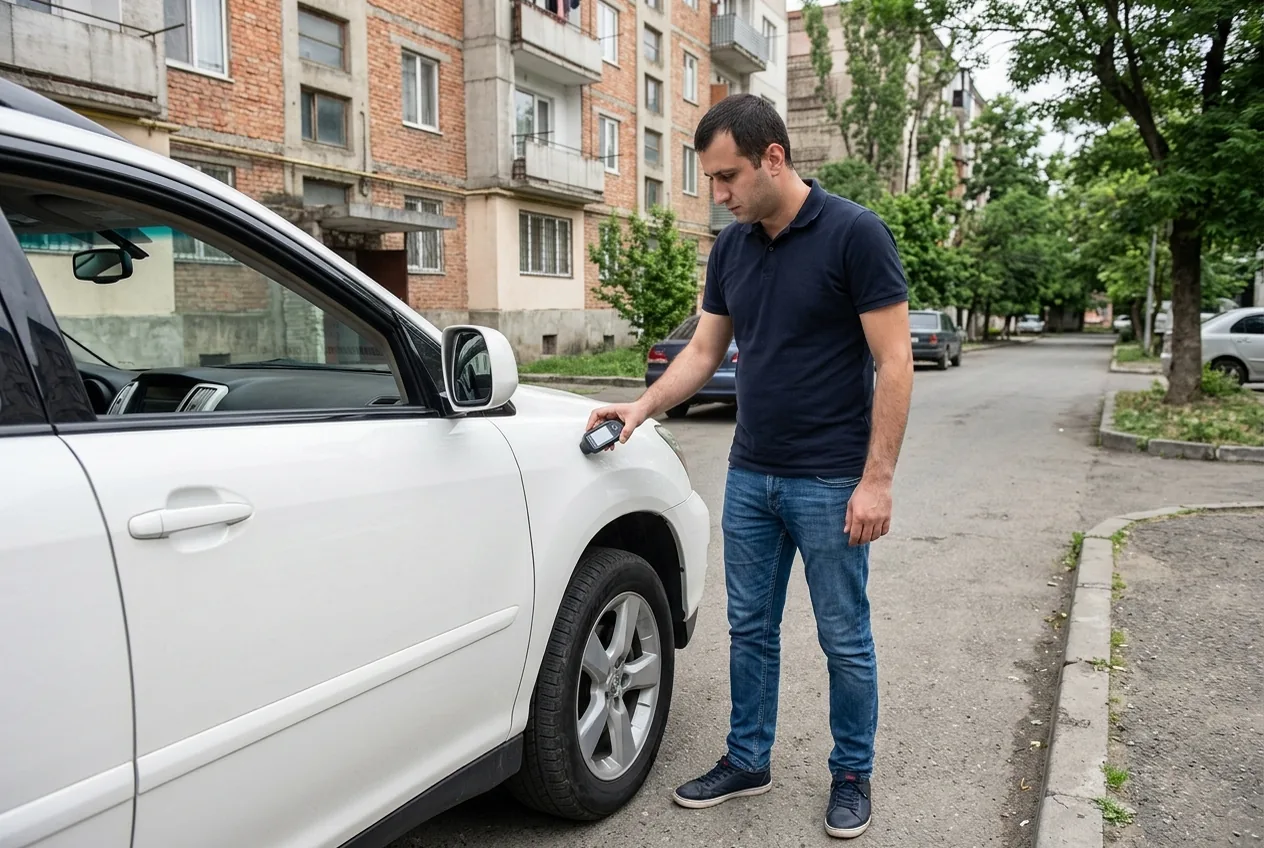
The gauge measures the thickness of the non-magnetic layer over the metal body: primer, paint and clear coat together. From the factory, this layer goes on evenly and stays within a narrow range across every panel on the same car. As soon as filler and a fresh coat of paint go on a panel, that thickness jumps.
What counts as normal
For most mass-market makes, factory paint sits around 100–160 microns. A 20–30 micron spread between panels is normal. That's just how a factory line works. A sharp spike on one panel while its neighbors read flat is what deserves a closer look.
When the number points to bodywork
Readings of 200–250 microns or higher almost always mean filler and a respray. That doesn't automatically mean a serious accident: a parking-lot scrape gets painted locally too. But a buyer should know about it and factor it into the price: factory paint and paint rebuilt after an impact aren't worth the same.
Where repair marks tend to hide
- Front fenders and bumpers: the most common spots for minor collisions
- Doors: a typical target for parking-lot scrapes and spot repairs
- Pillars and rocker panels: the gauge catches what tint or trim pieces are hiding
- Hood and roof: rarely painted without a reason, so a deviation here signals something more serious
One pass with the gauge isn't enough for a verdict: every panel needs measuring, not a sample, and the numbers need to line up with the body's geometry and any welding marks. Read that way, the gauge readings become grounds for negotiating the price.
Send a listing for inspection
Send the listing and your contact. We will arrange the inspection location and time. We reply during business hours.
$100 · per car
See also
Related services
What is usually needed alongside this. Each page has the price and a request form.
How the inspection works
What a car inspection covers: our protocol step by step
How the on-site inspection works: documents and VIN, Carfax history, paint depth gauge on every panel, OBD scan, suspension and test drive.
$100
On-site car inspection
Car Select runs independent diagnostics of the car you've picked, before you buy. Already found something interesting? We'll come to the seller before the deal and check it fully.
from $10
Vehicle history check
Car Select orders a Carfax or AutoCheck report by VIN and walks you through it: accidents, owners, real mileage, service records, thefts and liens. Cars from Europe and Asia have their own databases.
Blog
How to buy a car with your eyes open
October 10, 2026 · 4 min read
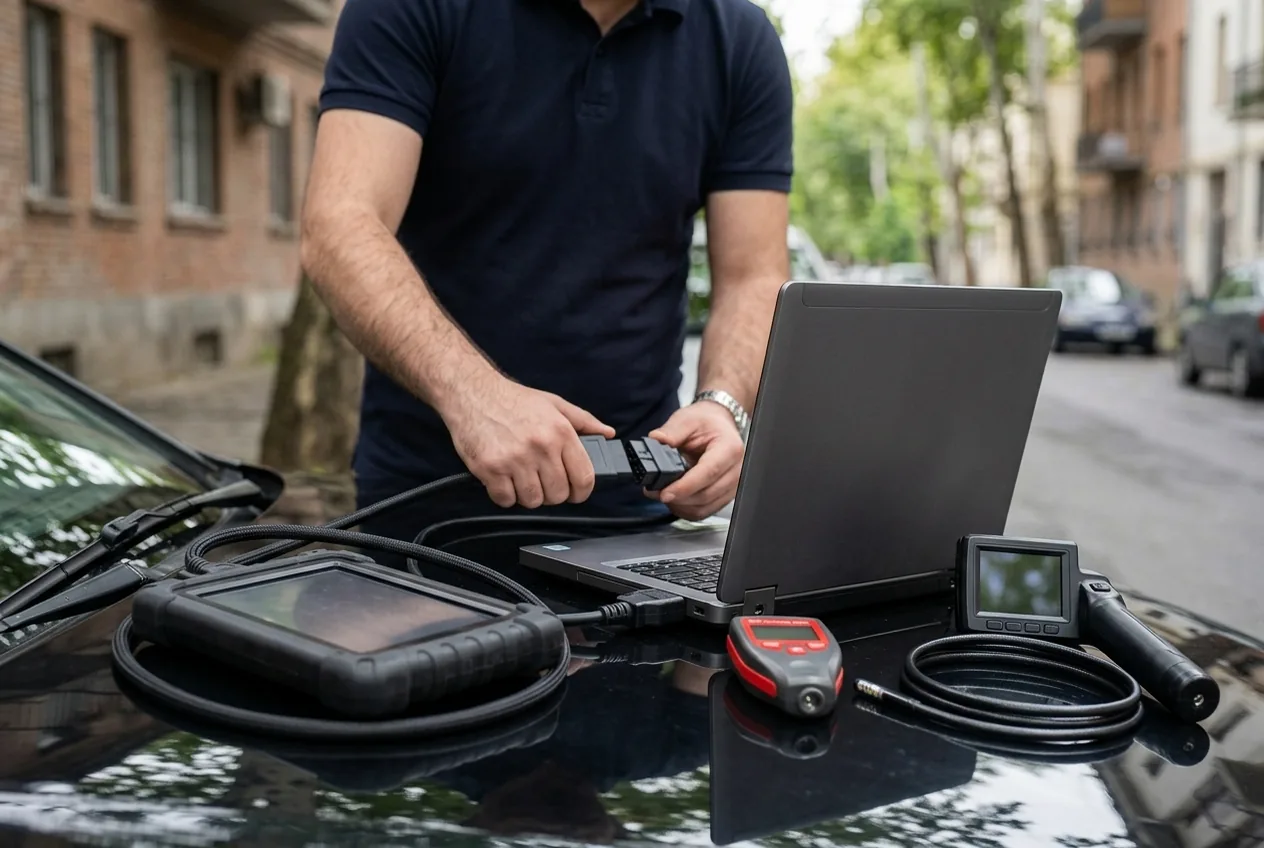
What Car Select Checks a Car With: Scanners, Paint Gauge, Videoscope
Car Select checks cars with Autel and Launch multi-brand scanners, a VCDS scanner for Volkswagen, Audi, Škoda and SEAT, Etari and Carsys paint gauges and an Autel MaxiVideo videoscope. Each tool covers its own part of the check: electronics, body or hidden cavities.
October 10, 2026 · 5 min read
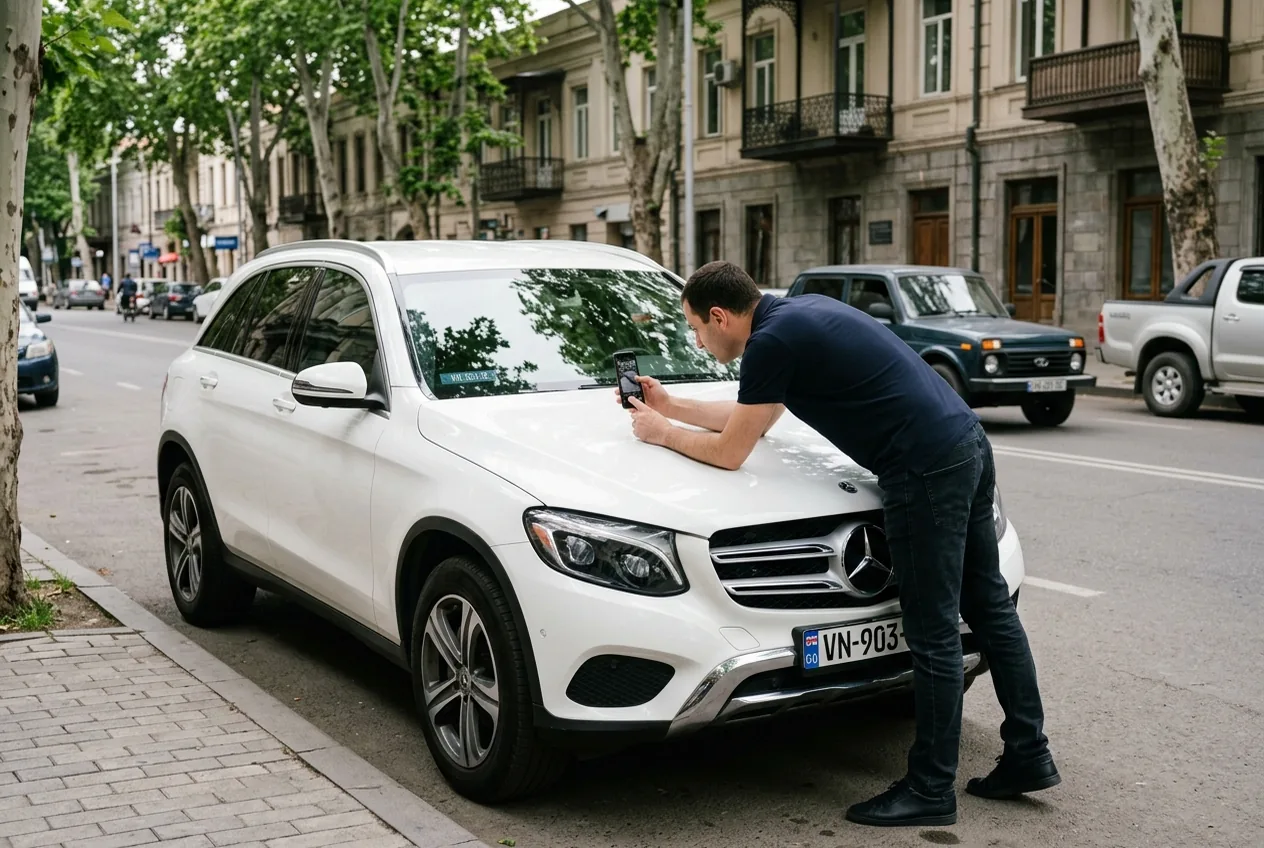
How to Check a Car by VIN in Georgia: Liens, Accidents and Mileage
A VIN check is the cheapest filter before buying a car in Georgia: it shows accidents, mileage records and auction history. Match the number in three places, order the report for the car's country of origin, and get liens checked when the car is re-registered at an MIA Service Agency center.
October 10, 2026 · 5 min read
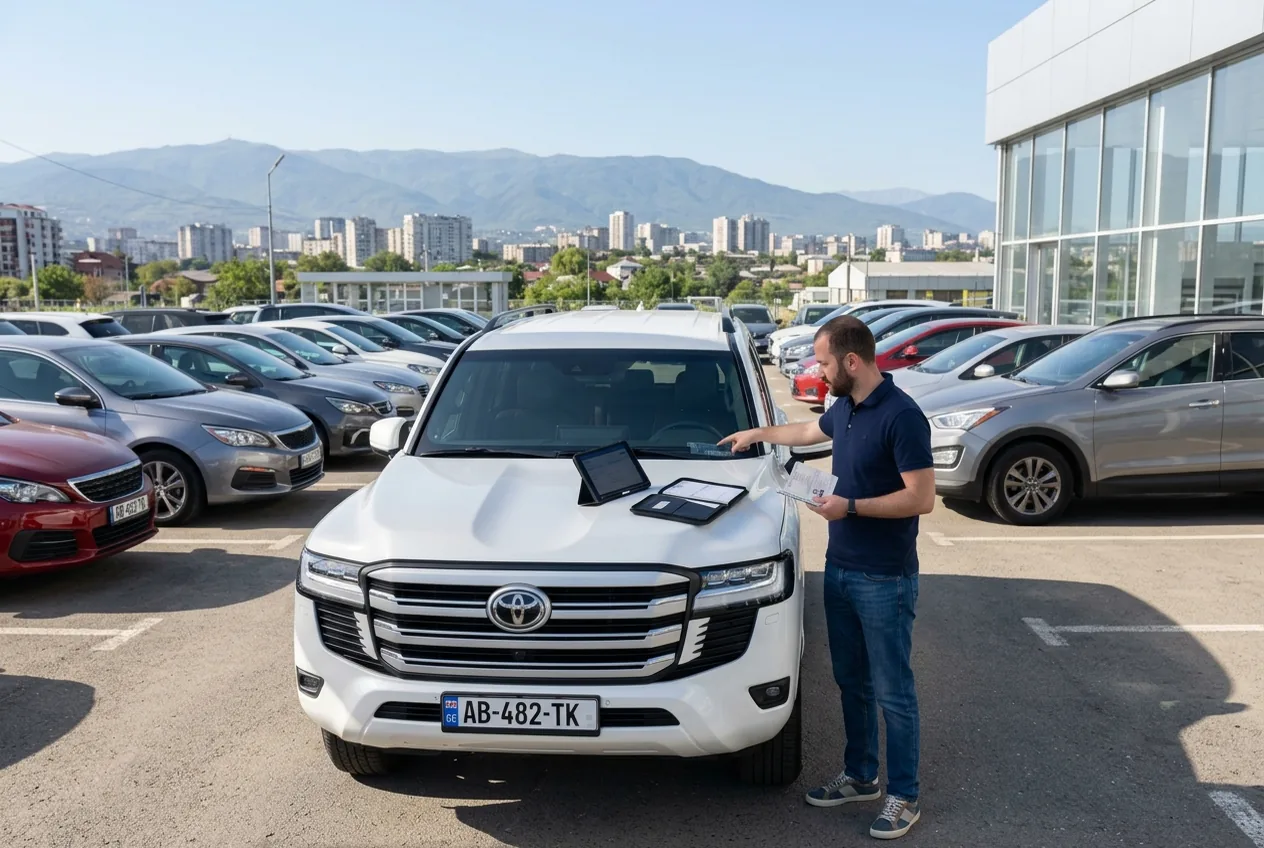
Re-registering and registering a car in Georgia: documents, fees and deadlines
The MIA Service Agency registers cars and transfers them to new owners for the same 200 GEL. What to bring in each case, how long you have to register an imported car, and how to check for liens and seizures before you pay.